
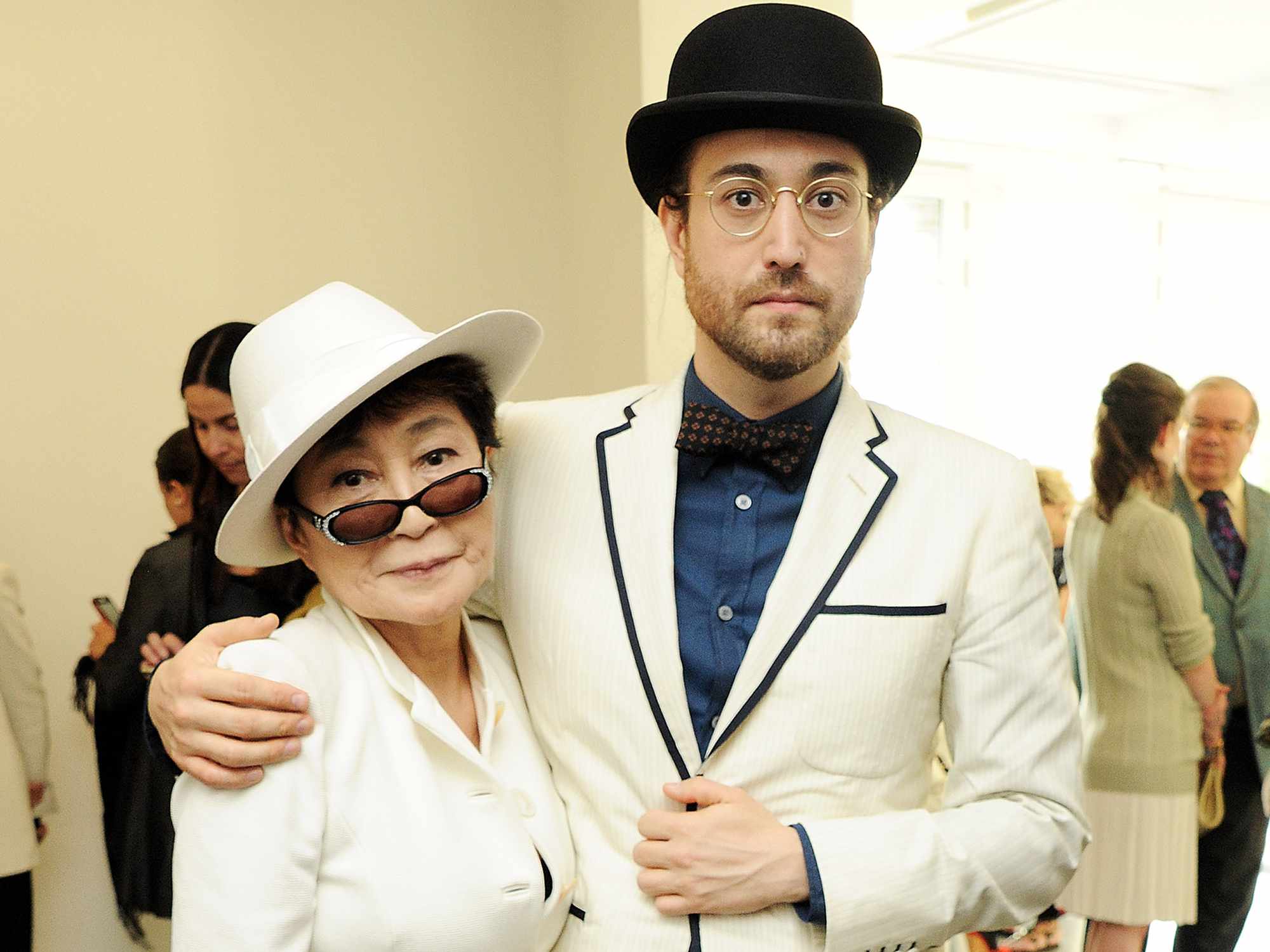
The custody battle that defined Yoko Ono’s maternal experience involved kidnapping, cults, and a thirty-year estrangement that only recently received comprehensive public explanation. Yoko Ono children news centers on daughter Kyoko Chan Cox’s decision to finally share her version of events, complicating simplistic narratives about artistic mothers and protective fathers. What actually happened demonstrates how custody disputes in high-profile divorces can spiral into situations where legal systems fail, parental judgment falters, and children bear consequences that extend across decades.
Kyoko was born in nineteen sixty-three to Yoko Ono and filmmaker Anthony Cox, who initially co-parented amicably despite their brief marriage. The arrangement functioned until Ono’s relationship with John Lennon intensified, at which point Cox’s willingness to share custody evaporated. From a practical standpoint, the introduction of a world-famous new partner into co-parenting arrangements creates power imbalances and emotional reactions that rational negotiation often cannot overcome.
The relationship between parental jealousy, reputational anxiety, and custody decisions rarely appears in legal filings, but these psychological factors drive behavior more powerfully than stated concerns about child welfare. Cox’s subsequent actions suggest his motivations mixed genuine parenting philosophy with resistance to Ono’s new life circumstances.
The Kidnapping Reality And How Legal Systems Failed
Cox took Kyoko and disappeared, moving through multiple countries and eventually settling her in religious communities that effectively hid her from her mother for decades. The legal term is parental kidnapping, but the practical reality involved a father using his custodial access to permanently sever his daughter’s relationship with her mother. No arrest occurred, no prosecution followed, and Cox has faced no legal consequences for these actions.
Here’s what I’ve learned from observing how legal systems handle parental abduction cases: when the kidnapping parent crosses international borders, enforcement becomes exponentially more difficult, and when years pass without resolution, authorities deprioritize the case even though the child remains missing. Kyoko’s situation demonstrates this pattern perfectly.
Ono and Lennon attempted to retrieve Kyoko from a meditation preschool in Mallorca, but they were arrested for kidnapping instead. The paradox of a mother being arrested for attempting to recover her kidnapped daughter illustrates how custody disputes become legal quagmires where factual circumstances matter less than procedural technicalities and jurisdictional complications.
The Cult Environment And What Religious Communities Enabled
Cox moved Kyoko into The Living Word Fellowship, a religious organization that was eventually disbanded due to sexual misconduct allegations. The irony Kyoko now recognizes is that her father removed her from what he perceived as the “cult” of Beatles fame and Lennon-Ono celebrity only to place her in an actual cult with documented abuse patterns.
Look, the bottom line is that parental decisions justified as protective frequently serve the parent’s psychological needs rather than the child’s welfare. Cox’s framing positioned himself as rescuing Kyoko from an unconventional lifestyle, but his alternative exposed her to demonstrable harm in an isolated community with problematic leadership.
The reality is that religious communities offering insularity from mainstream culture attract individuals seeking to escape scrutiny, whether that scrutiny comes from media attention or legal accountability. Cox’s choice of The Living Word Fellowship provided both geographical hiding and ideological justification for severing Kyoko’s connection to her mother.
The Reunion Dynamic And How Decades Of Separation Get Bridged
Kyoko reconnected with Ono around age thirty, after becoming a mother herself. The timing suggests that experiencing parenthood firsthand prompted reevaluation of her own childhood and her mother’s perspective. From a psychological standpoint, this represents a common pattern where major life transitions create opportunities to reassess historical relationships with new frameworks.
Ono responded with immediate enthusiasm, describing the reunion as recovering a missing part of herself. The language both women use about the reconnection emphasizes recovery and restoration rather than new relationship formation, which positions the lost decades as interruption rather than permanent severance.
What actually works in reconciliation after prolonged estrangement is creating new shared experiences rather than attempting to process or resolve all the historical grievances. Kyoko and Ono began spending time together regularly, building contemporary relationship rather than excavating the past. The data tells us this forward-focused approach produces better outcomes than exhaustive historical accounting.
The Media Strategy And Why Kyoko Chose Public Disclosure
Kyoko’s recent decision to share her story publicly through interviews and HBO documentary participation represents deliberate narrative control after decades of silence. She explicitly states she’s not interested in becoming a public figure but feels obligated to correct the record about her mother and stepfather’s relationship.
The tension between privacy preference and public disclosure obligation illustrates how children of famous parents face pressures that non-celebrity families avoid. When your mother is Yoko Ono and your stepfather was John Lennon, your childhood becomes public property whether you consent or not. Kyoko’s choice to engage represents an attempt to shape that narrative rather than allowing others to define it indefinitely.
I’ve seen this pattern where individuals who initially resist public engagement eventually participate because silence allows misinformation to calcify into accepted fact. The calculation becomes: is the discomfort of public disclosure less damaging than the distortion of continued silence. Kyoko apparently concluded the former was preferable.
The Forgiveness Framework And What Reconciliation Actually Requires
Kyoko has forgiven the adults involved in her childhood disruption, framing them as young and overwhelmed rather than malicious. This generous interpretation positions her parents and their partners as making understandable mistakes under extraordinary pressure rather than as failing fundamental parental obligations.
From a practical standpoint, maintaining anger across decades requires sustained emotional energy that eventually becomes unsustainable. Forgiveness often represents psychological efficiency rather than moral absolution—choosing to release grievance because carrying it no longer serves any productive purpose.
Her children, Emi and John, are now in their late twenties, and Kyoko has since divorced their father. The multi-generational family structure now includes Ono, Kyoko, and Kyoko’s adult children, creating relationships that skip the lost middle decades. The 80/20 rule applies: twenty percent of family connection comes from shared history; eighty percent comes from present investment.
The Lennon-Ono Legacy And How Kyoko Fits The Narrative
Sean Ono Lennon, Kyoko’s half-brother, maintains a public profile through his music career and legacy management work. Their relationship as adult half-siblings who experienced radically different childhoods with the same mother represents another layer of family complexity. Sean grew up with both parents actively involved; Kyoko grew up without her mother at all.
The contrast between their experiences demonstrates how the same parent can function completely differently in different circumstances. Ono’s “offbeat” mothering approach with Kyoko—bringing her onstage as a baby, taking her to bed-ins for peace—might have been unconventional but was actively engaged. Cox’s intervention prevented Ono from continuing that engagement, creating the estrangement Sean never experienced.
Yoko Ono’s current reclusive lifestyle at ninety-two shifts family responsibilities to her children, with Sean handling much of her legacy work and Kyoko maintaining a private relationship. The different public profiles both children maintain reflects their different relationships with fame, visibility, and their mother’s artistic legacy.
Kyoko’s story complicates easy narratives about artistic mothers and traditional parenting, demonstrating how custody disputes can weaponize children and how legal systems sometimes protect abductors rather than victims. Her decision to finally share her perspective offers alternative framing to decades of speculation and incomplete information.