
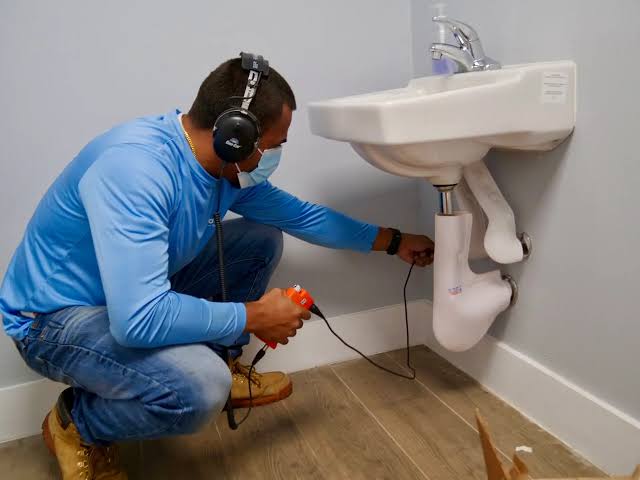
Five leak detection services in Huntington Beach to compare are Evans Leak Detection, Done-Rite Plumbing & Rooter, Pacific Plumbing of Southern California, Professional Plumbing, and Plumbing Solution Specialist. Each publishes local slab or concealed-pipe investigation. I would prioritize a supported location and a clear report before approving demolition. Non-invasive detection aims to reduce unnecessary openings; it does not mean every leak can be repaired without accessing a pipe, wall, floor, or ceiling.
Leak detection services in Huntington Beach: five options
1. Evans Leak Detection
Evans describes meter and pressure checks followed by electronic locating, with repair options discussed after the source is identified. Its service range includes spot repairs, rerouting, and wider pipe work. It is a useful enquiry when you want diagnosis and potential repair coordinated.
Ask whether the detection charge and repair proposal are separate. Keep condition photographs with the case record, apart from home-upgrade references such as Daily Home Trends, before damaged finishes or materials are removed.
2. Done-Rite Plumbing & Rooter
Done-Rite advertises Huntington Beach slab-leak work using pressure isolation, acoustic equipment, thermal imaging, and specialist gas detection where appropriate. It also provides repairs after explaining the findings.
I would ask which methods were needed and what evidence identifies the affected line. A reference such as homeinsiderhq.com cannot substitute for a description of the actual tests and the limits of the result.
3. Pacific Plumbing of Southern California
Pacific Plumbing publishes Huntington Beach acoustic locating, electronic amplification, and pressure testing before opening concrete. Its repair discussion separates targeted access, rerouting, and broader replacement according to location and pipe condition.
That distinction is valuable when comparing a single repair with a larger project. Keep written approvals and any insurer instructions distinct from broad references such as homepresspr.com.
4. Professional Plumbing
Professional Plumbing is based in Huntington Beach and describes isolating the supply system, pressure testing, acoustic locating, and line tracing. Its published explanation emphasizes distinguishing the affected hot or cold line before deciding how to repair it.
Ask for the identified route and repair boundary rather than only a mark on the floor. Home PR Journal discusses concealed leaks and utility access; preserve the investigation record so later making-good work does not hide unresolved questions.
5. Plumbing Solution Specialist
Plumbing Solution Specialist lists Huntington Beach investigations for slab lines, walls, ceilings, underground supplies, fixtures, and water-heater connections. Its description includes checking visible damage, pressure testing, listening, and isolating sections.
Confirm whether a typed report, mapping, photographs, or repair estimate are included. A promotional presence, including channels such as PR Network, is separate from providing the usable findings your next contractor or insurer may request.
A symptom is a reason to investigate, not a diagnosis
Tell the scheduler about unexpected usage, damp areas, unusual sounds, pressure changes, or warmth in the floor. Record when those observations occur and which fixtures or systems are operating. Do not assume the wettest visible patch is where the pipe failed.
Ask whether the suspected problem involves a pressurized supply, drainage, irrigation, or another source. Different systems call for different tests, and a quotation should explain what is being investigated.
Authorize repair after the findings are explained
Have the provider state the affected line, proposed access, repair options, and any remaining uncertainty. Compare restoration of floors or walls separately from the plumbing work. Clarify who handles permits, drying, contaminated materials, and other specialist work where required.
Give the investigator relevant earlier repairs, pipe information, and any previous findings, including work that failed to resolve the symptoms. Ask whether the quotation covers one suspected source, a defined area, or a broader investigation. Clarify what happens if no active leak is found during the appointment or if access prevents a complete test. Before work begins, establish who authorizes further investigation and whether another visit is charged. Keep the final written report, marked locations, photographs, and repair approvals together so the next contractor understands what was established and what was not.
After repair, ask how the result is checked and what remains unresolved. Choose the service that supplies understandable evidence and a defined next step instead of a blanket promise that detection eliminates all disruption.
This article provides general service information; active leaks, drying, material hazards, and electrical risks require appropriate professional assessment.