
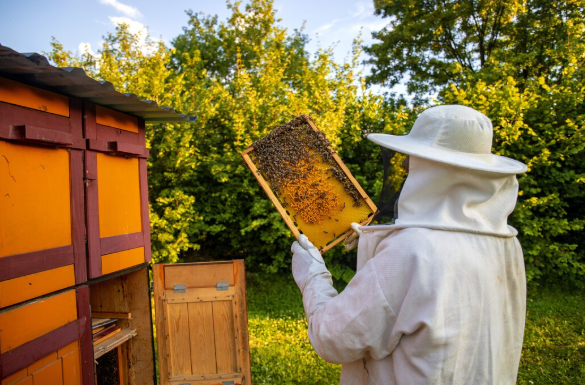
Healthy honey bee colonies don’t happen by chance. Successful hive management involves regular hive inspections, intervention, and a knowledge of the reactions of bees to seasonal changes. Even if you are a new beekeeper or just adding a new hive to your apiary, small management decisions can make a big difference in the health of your colonies, honey production, and the success of your operations.
Each of these aspects contributes to a healthy colony, ensuring that all parts function harmoniously to support a successful hive. Adopting sound management techniques can help the beekeeper to strengthen the colony and minimize common problems throughout the year.
Importance of a Healthy Queen
A healthy, productive queen is the base of every successful hive. She is responsible for the laying of eggs that keep the colony going and affect the overall behaviour and productivity of the colony.
A weak queen can cause lower brood production, less honey production, and less worker population. Colony behaviour that indicates a need for a new queen may involve brood patterns that are scattered, bee numbers are falling, or the colony is trying to raise replacement queens.
Healthy Queen Bees for Sale
Sometimes adding a new queen is the ideal means of bolstering a colony. Choosing quality queen bees for sale is a crucial choice, whether for replacing an old queen, replacing a queen after loss, or enhancing desirable characteristics like gentleness or productivity.
When looking at replacement queens, take into account the following:
- Reliable breeding stock
- Strong egg-laying performance
- Calm colony temperament
- Disease resistance
- Tolerances for your local climate
Buying queens from good breeders increases the chances of acceptance and the colony’s continued performance.
Carry out Regular Hive Inspections
Regular checking enables beekeepers to take quick action on emerging problems, instead of waiting until major damage has been done. At every inspection, consider:
- Healthy brood patterns
- Adequate food stores
- Signs of pests or diseases
- Queen activity
- Population strength
Support Bees Through Seasonal Changes
Honey bees have different requirements at various times of the year. During the spring period, colonies will grow rapidly and may need extra space. Summer management is about swarm prevention, ventilation, and honey production.
Beekeepers should assess food reserves and condition colonies during fall. Cold weather care involves reducing the amount of moisture in the hives, allowing good air circulation, and disturbing the hives as little as possible.
Manage Nutrition and Colony Health
Nutrition is an important factor in colony growth. Bees collect nectar and pollen by themselves, but sometimes the environment may restrict forage supplies.
Supplemental feeding can be used to supplement colonies during times of scarcity, early spring buildup, or after new hives are established.
Well-being is equally important, as are monitoring for common pests and diseases and keeping any colonies in good health or away from issues.
Learn and Improve Every Season
Beekeeping is a continual learning process. Weather, nectar flows, and unanticipated colony behavior are common occurrences for even veteran beekeepers.
Participating in local beekeeping organizations, taking educational courses, and keeping good records of the bees in the hives can be useful and will help to make better management decisions with time.