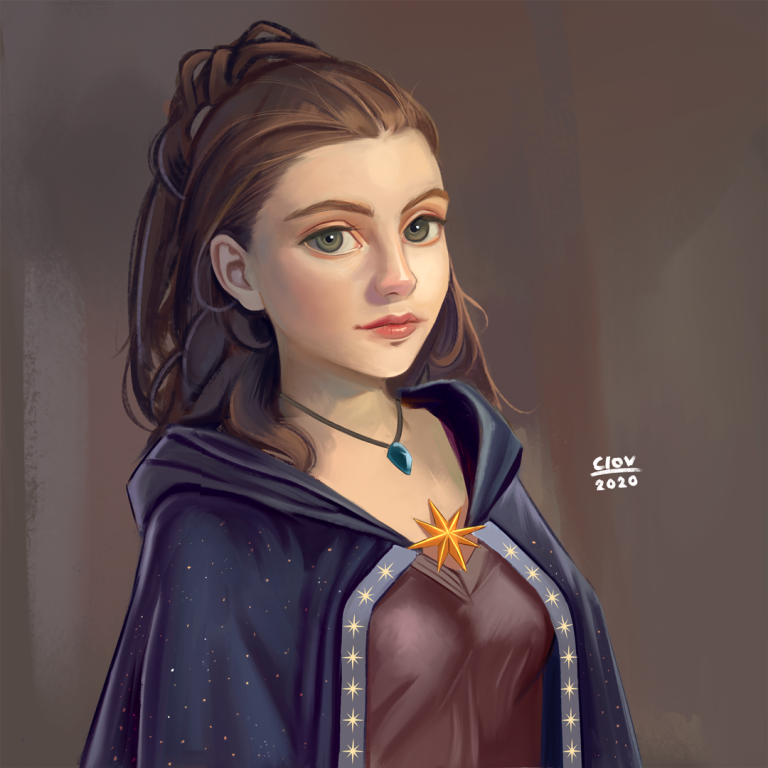
Recent discussions in Dungeons & Dragons circles have turned fresh attention to the Kalashtar 5e race, sparked by ongoing Eberron campaigns and player explorations of psionic elements in fifth edition play. Tabletop communities note a surge in Kalashtar 5e characters amid renewed interest in Eberron: Rising from the Last War, the core sourcebook detailing their traits and lore. This compound race, born from human-quori fusions, draws players seeking resilient minds and telepathic depth.
Campaign reports highlight how Kalashtar 5e figures navigate dream-plane conflicts, blending alien spirits with mortal forms. Their presence underscores Eberron’s intrigue, where quori exiles shape Adar’s defiant monasteries. GMs report Kalashtar 5e parties uncovering Dreaming Dark agents, fueling debates on psychic defenses.
The timing aligns with broader 5e evolutions, as players adapt Kalashtar 5e traits to diverse settings beyond Sarlona. Public playtest feedback and forum threads reflect this curiosity, positioning the Kalashtar 5e overview as central to current character-building conversations. Veterans emphasize their severed dream connection, a trait amplifying roleplay in horror-tinged adventures.
Origins in Dal Quor
Quori Exodus Foundations
Sixty-seven quori spirits, led by the kalaraq Taratai, fled Dal Quor around 1,800 years ago, piercing mortal dreams to reach Eberron. Persecution by dominant quori forces drove this desperate projection, transforming into psychic forms for refuge. Haztaratain Monastery in Adar offered sanctuary, where monk Hazgaal and students volunteered soul-fusion, birthing the first Kalashtar 5e progenitors.
This merger created a new lineage, neither fully human nor quori, with diffused essences passed to same-gender offspring. Early Kalashtar 5e communities expanded in Adar, honing psionic gifts amid Path of Light precepts. Taratai and Hazgaal’s union as Haztaratai guided initial teachings, emphasizing light over Dal Quor’s darkness.
Fusion details remain tied to willing bonds, ensuring kalashtar breed true without possession. This origin anchors Kalashtar 5e lore, where ancestral memories surface in meditation rather than dreams.
Taratai’s Leadership Role
Taratai, a rebel kalaraq, orchestrated the exodus, evading Dreaming Dark hunters through innovative dream-walking. Her followers, adherents of light, rejected Dal Quor’s oppressive hierarchy, seeking Eberron’s stability. Arrival at Haztaratain marked a pivot, as fusion preserved their essences against annihilation.
Post-merger, Taratai’s influence shaped Kalashtar 5e monastic life, promoting self-discipline against inner turmoil. Lineage descendants defended Kasshta Keep centuries later, sacrificing to erect shroud resonators shielding Adar. Her spirit’s diffusion persists, subtly guiding modern kalashtar.
Debates persist on whether Taratai’s full essence survives, with dreamwalkers questing for recovery. This unresolved thread fuels Kalashtar 5e narratives of return to Dal Quor.
Hazgaal’s Monastic Sacrifice
Human monk Hazgaal embodied Adar’s spiritual readiness, training pupils for quori integration. His leadership at Haztaratain facilitated the 67 fusions, merging mortal resilience with quori insight. Haztaratai emerged as the inaugural kalashtar, codifying Path of Light doctrines.
Hazgaal’s legacy emphasizes voluntary symbiosis, distinguishing kalashtar from Inspired puppets. Early generations under his fused guidance explored psionics, adapting to dual-mind existence. Conflicts arose as quori memories clashed with human emotions.
Records note Hazgaal’s role in naming practices, blending Quori hisses with human flows. Kalashtar 5e players often invoke this for backstories rooted in Adaran keeps.
Initial Fusion Mechanics
Fusion involved psychic projection, quori spirits entering willing hosts without displacing souls. Resulting kalashtar gained telepathic rapport, though communication grew fainter across generations. Physical forms retained human variability—tall, slim builds common but not universal.
Psionic development followed, manifesting as mind links and resistances. Kalashtar 5e lore stresses this as evolutionary, not imposed. Early experiments revealed gender-linked inheritance, stabilizing the race.
Monastic isolation in Adar allowed refinement, away from Riedran eyes. This mechanic underpins Kalashtar 5e traits like severed dreams.
Diffusion Across Generations
First kalashtar children inherited fragmented quori essences, bonding parent-child without full dominance. This diffusion diluted direct spirit voices, fostering intuitive guidance over explicit dialogue. Kalashtar 5e society adapted, prioritizing meditation for ancestral access.
Population growth concentrated in Adar, with enclaves in Sharn emerging later. Diffusion enabled compassion alongside discipline, though some resist virtuous pulls. Path of Light rituals reinforce harmony amid fragments.
Modern Kalashtar 5e characters embody this, haunted by echoes shaping alignments lawful-good.
Core Racial Traits
Ability Score Increases
Kalashtar 5e receive +2 Wisdom and +1 Charisma from Eberron: Rising from the Last War, bolstering mental fortitude and presence. Unearthed Arcana variants adjust to +1 Wisdom, +1 Charisma, plus one flexible score. These boosts favor classes reliant on insight and influence.
Wisdom enhancement aids saving throws inherently, while Charisma supports social maneuvers. Players optimize for clerics or bards, leveraging dual stats. Size remains Medium, speed 30 feet standard.
Traits scale with level, like Mind Link range at 10 times proficiency. Languages include Common, Quori, and one choice.
Dual Mind Defense
Dual Mind grants advantage on all Wisdom saves in the official version, a reaction-use in UA. This counters charms, fears, and illusions effectively. Kalashtar 5e excel against aberrations or enchanters.
Reaction timing—pre- or post-roll—adds tactical depth. GMs note it shines in intrigue-heavy Eberron plots. Combined with Mental Discipline, it forms a psychic bulwark.
Playtests highlight reliability over riskier features.
Mental Discipline Resistance
Resistance to psychic damage halves harm from mind flayers or telepaths. This passive trait endures throughout levels, stacking with monk unarmored defense. Kalashtar 5e tanks draw on it for frontlines.
No attunement needed; always active. Complements Severed from Dreams against dream incursions. Forums praise it for horror campaigns.
Mind Link Telepathy
Mind Link enables telepathic speech to visible creatures within 10x level feet, no shared language required if they know one. Action-sharing allows two-way for one hour. Kalashtar 5e facilitate silent coordination.
UA limits to 60 feet, bonus action for brief replies. Underwater or silenced scenarios benefit. Limits one active link prevent abuse.
Severed from Dreams Immunity
Immunity to dream-requiring magic like Dream spell, while sleeping normally. Psychic rest draws from quori memories, evading Dal Quor spies. Kalashtar 5e avoid nightmare manipulations.
Sleep effects still apply, maintaining balance. Roleplay tie-in: visions from spirits, not planes. Essential against Dreaming Dark lore.
Lore and Cultural Depth
Path of Light Philosophy
Path of Light centers on il-Yannah, the Great Light, rejecting deities for universal good. Kalashtar 5e follow it devotedly, blending meditation and martial psionics. Taratai’s precepts guide against darkness.
Communities emphasize compassion through intellect, not raw emotion. Dreamwalkers diverge, viewing il-Lashtavar as alien, not evil. Adaran temples host rituals reinforcing bonds.
Influence drives lawful-good tendencies.
Adaran Monastery Life
Adar’s temple-keeps house most kalashtar, shrouded against Riedran sieges. Monastic training starts young, prioritizing discipline over play. Kalashtar 5e backstories often stem here.
Shroud resonators, powered by sacrifices, block invasions. Daily life mixes contemplation and defense drills. Enclaves in Sharn mirror this insularity.
Siege stalemate defines existence.
Riedra Conflict History
Riedran invasion followed Madness of Yaruun in 677 AT, blamed on kalashtar. Kasshta Keep battle saw psionic clashes, ending in shroud creation. Ongoing blockade isolates Adar.
Inspired view kalashtar as altavar-possessed threats. Skirmishes persist, with kalashtar agents countering abroad. Kalashtar 5e plots revolve around this.
Dreaming Dark Pursuit
Dreaming Dark, quori agents, hunt kalashtar via Inspired puppets. Manipulation targets exiles in Khorvaire. Kalashtar 5e evade through psychic wards.
No direct Dal Quor access aids secrecy. Encounters manifest as thralls or assassins. Central antagonism in lore.
Naming Conventions Impact
Names feature 3-5 syllables, hard consonants: males end -harath, -khad; females -kashtai, -shana. Halkhad, Ganitari exemplify. Reflects Quori roots.
Players use for immersion, tying to lineages. Cultural marker in roleplay.
Gameplay and Builds
Cleric Synergies
Wisdom focus aligns with cleric casting, Dual Mind bolstering saves. Light Domain evokes Path of Light. Kalashtar 5e clerics channel quori light.
Telepathy aids channel divinity. Resists undead fears. Popular in Eberron faiths.
Monk Adaptations
Unarmored Wisdom defense stacks with Mental Discipline. Open Hand or Astral Self fit psionics. Kalashtar 5e monks embody Adaran warriors.
Telepathy coordinates ki strikes. Stunning Strike leverages saves.
Bardic Applications
Charisma boosts spells, Mind Link enhances performances. College of Spirits nods to quori. Kalashtar 5e bards weave ancestral tales.
Psychic resistance survives intrigues. Versatile for faces.
Druid Circle Choices
Wisdom suits wild shapes, Severed Dreams aids dream quests. Circle of Dreams ironically contrasts. Kalashtar 5e druids guard nature psionically.
Telepathy communes with beasts.
Fighter Optimization
Constitution pairs with resistance for durability. Battle Master maneuvers via telepathy. Kalashtar 5e fighters frontline with minds.
Eldritch Knight adds spells.
The public record on Kalashtar 5e lays bare a race defined by exile and resilience, their traits—Dual Mind, psychic wards, telepathic bonds—rooted in quori-human fusion that persists across generations. Eberron’s lore paints Adar as a besieged haven, where Path of Light devotees clash eternally with Riedra’s Inspired, yet gaps linger: Taratai’s spirit fragments evade full recovery, dreamwalker schisms challenge unity, and Dreaming Dark incursions unfold without decisive blows. Player adaptations stretch Kalashtar 5e beyond Sarlona, into generic 5e worlds, raising questions on lore fidelity amid mechanical tweaks like UA variants.
What remains unresolved circles Dal Quor’s shadow—kalashtar dreams echo ancestors, but cannot pierce the plane, leaving quori tyrants’ full designs opaque. Campaigns hint at broader incursions, with Sharn enclaves whispering of Inspired spies. Forward paths for Kalashtar 5e characters hinge on these voids: will shroud resonators falter, or will exiles tip Eberron toward light? The stalemate endures, inviting fresh tables to probe the compound race’s haunted potential.